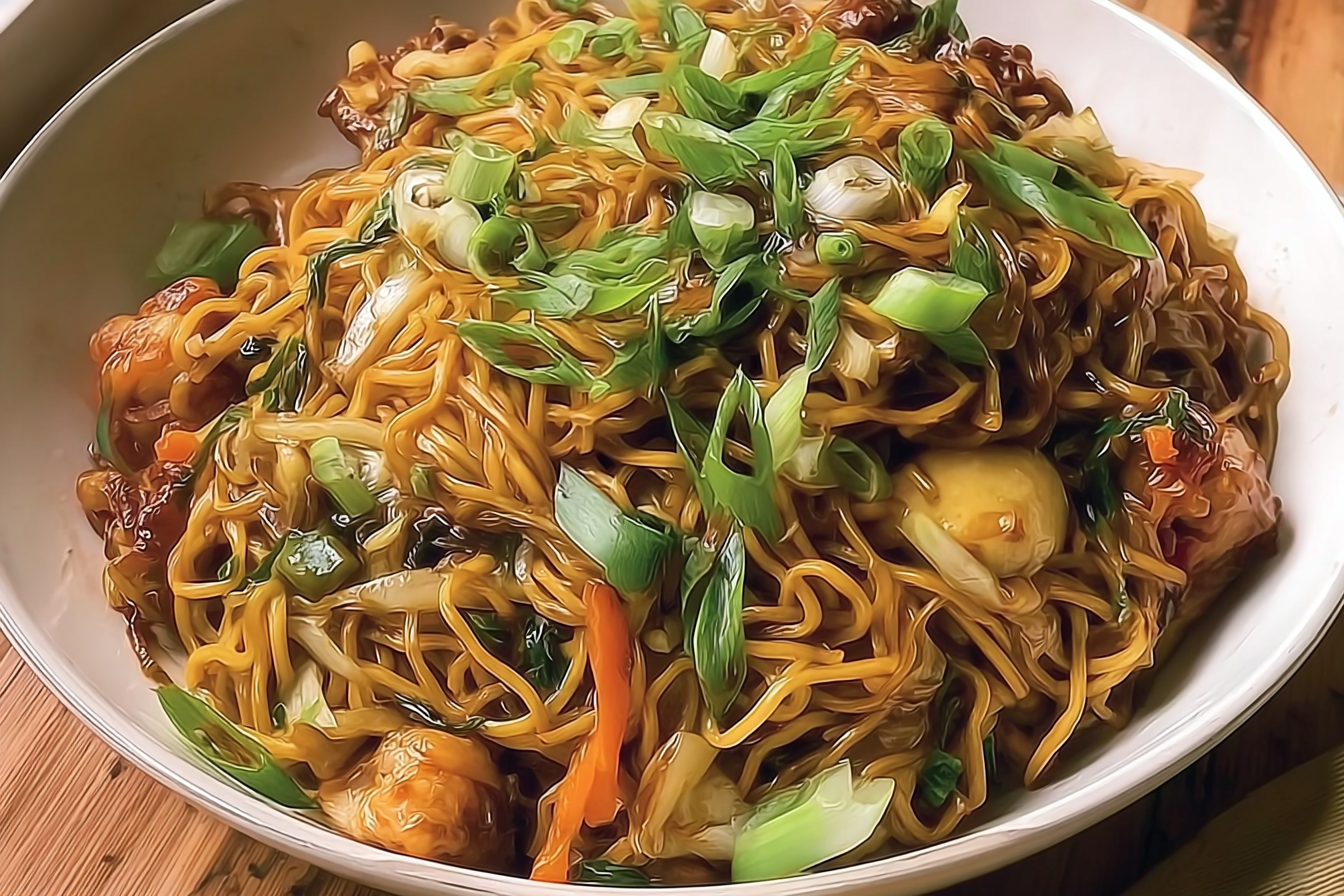
Mastering Pan Fried Noodles: Your Ultimate Guide to Best Noodles & Sauce Secrets
Tired of ordering takeout, yet craving that irresistibly savory, slightly sweet, and utterly satisfying plate of pan fried noodles? You’ve come to the right place. Imagine a homemade dish that rivals your favorite restaurant, ready in a fraction of the time and customized exactly to your taste. Mastering pan fried noodles at home isn't just possible – it's surprisingly simple, incredibly versatile, and unbelievably delicious. Get ready to unlock the secrets to perfect chewy noodles and a knockout sauce that will make this your new weeknight favorite.
Forget bland pasta nights; these Asian-inspired pan-fried noodles bring an explosion of flavor to your dinner table. Combining perfectly cooked noodles with your choice of protein, crisp-tender vegetables, and a "magical" sauce, it’s a meal that hits all the right notes. From understanding the best noodle types to crafting that quintessential takeout-style sauce, we'll guide you every step of the way. If you’re looking for a quick and easy take-out dinner solution that’s healthier and more satisfying, this
Easy Pan Fried Noodles: Takeout Flavor in Just 10 Minutes recipe is your answer.
What Exactly Are Pan Fried Noodles? Unraveling the Noodle Terminology
While the term "pan fried noodles" is pretty descriptive – noodles cooked in a pan until lightly browned and infused with flavor – it often refers to a specific style of Chinese-American cooking. Most commonly, when you hear "pan fried noodles," people are thinking of
Chow Mein.
What distinguishes Chow Mein from other noodle dishes like Lo Mein?
- Chow Mein: Literally meaning "fried noodles," Chow Mein involves parboiled noodles that are then stir-fried, often until they develop crispy edges, along with meat, vegetables, and a savory sauce. The noodles are an integral part of the frying process, getting direct contact with the hot pan.
- Lo Mein: In contrast, Lo Mein means "tossed noodles." Here, the noodles are boiled until tender, then simply tossed with a pre-made sauce, meat, and vegetables. The noodles are generally softer and do not typically get the same crispy texture as Chow Mein.
So, when we talk about mastering pan fried noodles, we're primarily focusing on that delicious Chow Mein-style dish where the noodles themselves get beautifully infused and often slightly crispy from the pan-frying process.
The Foundation of Flavor: Choosing the Best Noodles for Pan Frying
The right noodle is paramount to achieving that authentic pan-fried texture and taste. With so many options available in the international foods aisle and refrigerated sections of your grocery store, it can feel overwhelming. Let’s break down the best choices for your pan fried noodle adventure:
- Stir-Fry Noodles: Often labeled explicitly as "stir-fry noodles," these are frequently fresh or pre-cooked egg noodles. They are typically thick, chewy, and hold up exceptionally well to the vigorous stir-frying process without breaking down. Look for them in the refrigerated section near tofu or other Asian ingredients. These are often the easiest and most convenient option.
- Chow Mein Noodles: You'll find these sold dry, sometimes in nests. They require parboiling or soaking according to package directions before being added to your stir-fry. Once cooked al dente, they are perfect for achieving that signature slightly crispy exterior when fried.
- Egg Noodles (Chinese-style): Similar to stir-fry noodles, these are often fresh and provide a springy, satisfying bite. They are excellent for soaking up the rich sauce.
- Soba Noodles: While traditionally Japanese, these buckwheat noodles offer a unique nutty flavor. They are thinner and cook quickly, making them a good alternative if you're looking for something different. Ensure you don't overcook them during parboiling.
- Rice Noodles: For a gluten-free option, wide or medium-flat rice noodles work wonderfully. They require careful handling as they can be more delicate, but they absorb flavors beautifully and offer a different texture profile. Make sure to soak or parboil them until pliable, then drain thoroughly.
Pro Tip: Regardless of the noodle type you choose, ensure they are cooked *al dente* (firm to the bite) before adding them to your pan. Overcooked noodles will become mushy, while perfectly al dente noodles will absorb the sauce and develop delightful textures during frying.
The Secret Weapon: Crafting Your Perfect Pan-Fried Noodle Sauce
The sauce is where the magic truly happens. It’s the harmonious blend of savory, sweet, tangy, and a touch of heat that transforms simple ingredients into an extraordinary meal. The beauty of a homemade sauce is its customizability, allowing you to fine-tune it to your family’s preferences. Our base recipe features a powerhouse combination:
- Soy Sauce: The cornerstone of most Asian sauces. We recommend low-sodium soy sauce to control the saltiness, but regular soy sauce, tamari (for gluten-free), or coconut aminos are excellent substitutes.
- Honey (or Maple Syrup): This provides the essential sweetness that balances the savory notes and gives the sauce a lovely glaze. Maple syrup is a fantastic alternative, offering a slightly different but equally delicious depth.
- Sesame Oil: A non-negotiable for that classic nutty, aromatic flavor. A little goes a long way, so use it judiciously. It adds an authentic depth that is characteristic of many Asian dishes.
- Fresh Aromatics (Ginger & Garlic): Minced fresh ginger and garlic are crucial for their pungent, bright, and savory notes. While paste or powdered versions can work in a pinch, fresh offers an unparalleled vibrancy. Grating fresh ginger and mincing fresh garlic will elevate your sauce significantly.
- Sriracha: For those who love a spicy kick! Sriracha adds a fantastic chili heat and a touch of vinegar. Feel free to adjust the amount or omit it entirely if you prefer a milder dish. Other chili garlic sauces or a pinch of red pepper flakes can also be used.
- Rice Wine Vinegar: This delicate vinegar provides a subtle tang that cuts through the richness of the sauce, brightening the overall flavor profile. In a pinch, apple cider vinegar can be substituted, though it has a stronger flavor.
- A Pinch of Salt: To enhance all the other flavors.
Sauce Secret: Always whisk your sauce ingredients together in a bowl *before* you start cooking. This ensures everything is well combined and ready to go when it's time to add it to the pan. Tasting the sauce before adding it to the noodles allows you to adjust the sweet, salty, or spicy elements to perfection.
Beyond the Noodles & Sauce: Essential Ingredients for a Satisfying Meal
While the noodles and sauce are the stars, the supporting cast of protein and vegetables truly completes this hearty dish.
- Protein Power:
- Ground Beef: Lean ground beef is a fantastic choice, providing a rich, savory base that browns beautifully. You can easily substitute it with ground chicken, pork, or turkey.
- Other Options: Cubed chicken breast or thighs, thinly sliced pork, shrimp, or even plant-based proteins like firm tofu or tempeh (pressed and cubed) can be used. Each offers a different texture and flavor profile.
- Vibrant Vegetables:
- Broccoli: Fresh broccoli florets add a lovely texture and nutritional boost.
- Carrots: Peel and julienne them for quick cooking and a touch of sweetness.
- Baby Corn: Canned baby corn (drained) adds a fun, tender-crisp element.
- Other Favorites: Don't limit yourself! Bell peppers (any color), snap peas, sliced mushrooms, bok choy, water chestnuts, and thinly sliced onions are all excellent additions that cook quickly and add variety.
- The Right Oil: A neutral oil with a high smoke point is essential for stir-frying. Think canola, vegetable, grapeseed, or even avocado oil.
- Optional Toppings: A sprinkle of sliced green onions and sesame seeds adds freshness, a textural crunch, and a pleasing visual appeal. Fresh cilantro or a dash of chili flakes can also elevate the dish.
Mastering the Pan-Frying Technique & Customization Tips
Achieving that "better than takeout" flavor and texture hinges on a few simple cooking techniques. Prep work, known as "mise en place," is critical for stir-fries. Have all your ingredients chopped, measured, and ready to go before you even turn on the heat, as the cooking process is very fast.
1.
Heat is Key: Use a large wok or a heavy-bottomed pan and get it *hot* before adding oil. A properly hot pan ensures ingredients sear quickly and develop flavor, rather than steaming.
2.
Don't Overcrowd: Cook proteins and vegetables in batches if necessary, especially if you're making a larger quantity. Overcrowding cools the pan and prevents proper browning and frying.
3.
Layering Flavors: Start by browning your protein, then add harder vegetables (like carrots or broccoli stems), followed by softer vegetables (like bell peppers or baby corn). Add your pre-cooked noodles, then pour in your prepared sauce. Toss everything quickly to coat.
4.
Achieving Crispy Noodles: For extra crispy bits, let some of the noodles sit undisturbed on the hot pan for a minute or two after adding them and the sauce, before tossing again. This allows them to brown and develop a delightful texture.
This incredible dish comes together in under an hour, making it a perfect weeknight solution. In fact, many variations can be ready in just 15 minutes! For an even quicker route to a delicious meal, check out this guide to
Sizzling Pan Fried Noodles: Better Than Takeout & So Simple.
By understanding the types of noodles, the nuances of a well-balanced sauce, and the art of stir-frying, you’re now equipped to create pan fried noodles that will impress everyone at your table. It’s a satisfying, flavorful meal that brings restaurant-quality taste right into your home, effortlessly.